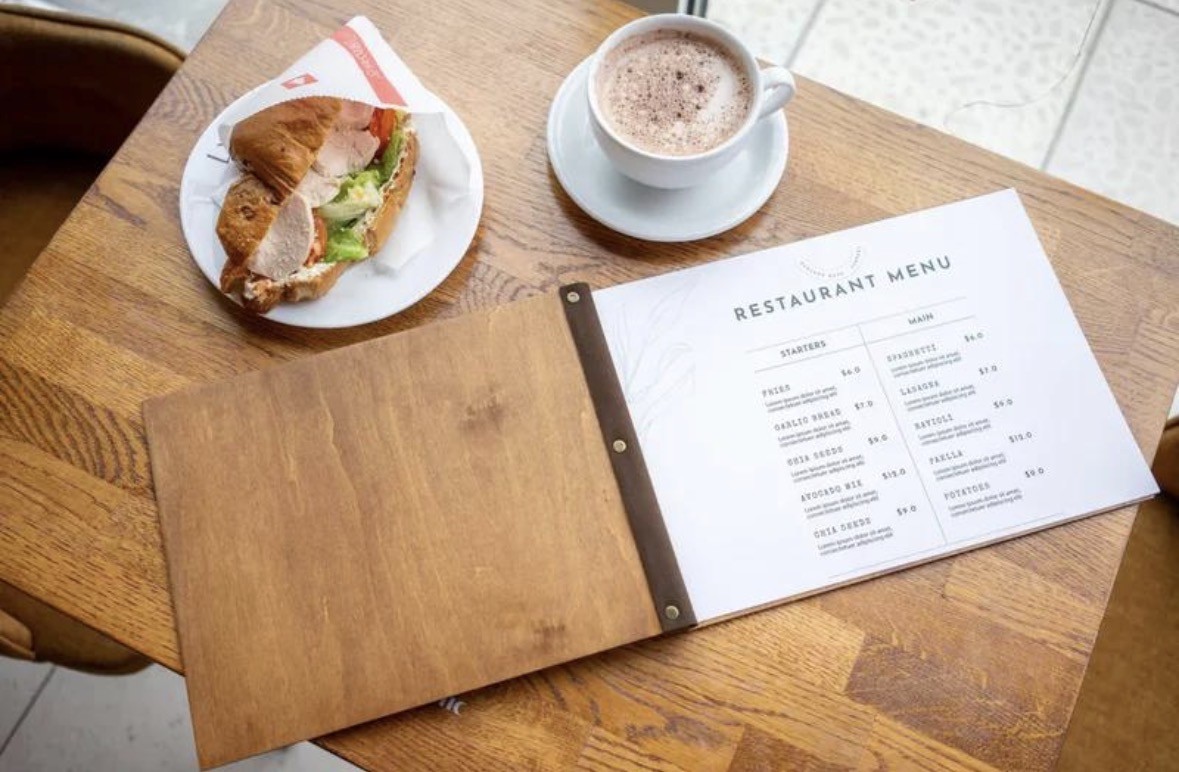
For most of us, reading a menu is something we barely think about. But for people living with sight loss, it can be one of the first barriers they face when going out for coffee, lunch or dinner.
Across Aberdeen and the north-east of Scotland, cafés, restaurants and hospitality businesses work hard to create welcoming experiences. From independent coffee shops to family-run venues, the sector plays an important role in bringing communities together. Yet small details, such as how a menu is presented, can make a significant difference to how inclusive that experience really feels.
Through both my personal experience as a parent of a child with sight loss and my professional role at sensory loss charity North East Sensory Services (NESS), I regularly see the impact these small barriers can have. What should be a simple, everyday activity can quickly become frustrating, thereby limiting independence and confidence.
Menus are often printed in small fonts, use low contrast colours or glossy finishes, and can be difficult to read in dim lighting. This can mean relying on others to read options aloud, using a phone camera to zoom in repeatedly or feeling uncomfortable having to ask for help. While this may seem like a small issue, independence matters, and these experiences shape how welcome someone feels.
One simple way to make a difference is by offering large print menus.
Encouragingly, some hospitality venues across the region are already introducing more accessible options, showing that relatively small changes can have a meaningful impact on customer experience. These examples demonstrate that improving accessibility does not need to be costly or complicated.
In many cases, it could be as straightforward as:
- keeping one or two large print menus available
- using clear fonts and strong contrast
- offering digital versions that are easy to enlarge
- ensuring staff feel confident supporting customers who may need assistance.
As the north-east continues its efforts to create a vibrant and inclusive city centre, accessibility has an important role to play. Small changes, such as offering a large print menu, can help more people feel confident enjoying cafés, restaurants and other venues. In turn, this benefits not only individuals, but the wider community and local economy.
Inclusion is often found in the smallest moments. Being able to read a menu independently is about more than food. It is about confidence, dignity and feeling truly welcome.
At NESS, we regularly support people living with sensory loss and understand the practical barriers they can face in everyday situations. We can also offer advice and guidance to organisations looking to make their services more accessible and inclusive.
Together, small changes can help make our communities more inclusive for everyone.
—————————————————————————————————————————————————————————————————–
Did you know?
Around 2 million people in the UK are living with sight loss and many more have difficulty reading standard print. Offering an accessible menu can help customers feel more confident, independent and welcome.
Practical Guidance: Creating Accessible Menus
Making menus more accessible does not need to be complicated or expensive. Often, a few simple changes can make a significant difference for customers living with sight loss.
While everyone’s needs are different, the following recommendations can help improve readability and accessibility for many people.
Large Print Menu Guidelines
Font Size
- Use a minimum font size of 16pt.
- 18pt or larger is often preferable.
- Avoid reducing font size to fit more content onto a page.
Font Style
- Choose clear, easy to read fonts such as:
- Arial
- Calibri
- Verdana
- Aptos
- Avoid decorative script or highly stylised fonts.
Layout
- Left align text rather than centre align.
- Use at least 1.5 line spacing.
- Leave sufficient space between sections and menu items.
- Avoid placing text over photographs, patterns or busy backgrounds.
Contrast
- Use strong contrast between text and background.
- Black text on a white or pale background is often the easiest to read.
- Avoid light coloured text and low contrast colour combinations.
Menu Finish
- Consider using a matt rather than glossy finish.
- Glossy menus can create glare and reflections that make reading more difficult.
Digital Menus
- Provide digital versions where possible.
- Ensure menus can be enlarged easily on smartphones or tablets.
- QR code menus should allow users to zoom in without losing clarity.
Consider Alternative Formats
Large print menus can benefit many customers, but they are not the only option.
Some venues may also wish to consider:
- Braille menus
- Accessible digital menus
- Staff assistance when requested
It is important to remember that not everyone with sight loss reads Braille, which is why offering information in a range of accessible formats can be beneficial.
Staff Awareness Matters
Simple actions such as:
- Offering assistance when requested
- Reading menu options aloud if needed
- Allowing customers extra time to read and make choices
- Knowing where accessible menus are kept
can help create a more welcoming and inclusive experience.
How NESS Can Help
North East Sensory Services (NESS) supports people living with sensory loss across Aberdeen, Dundee, Angus and Moray.
We are happy to offer advice and guidance to hospitality businesses looking to improve accessibility. We can also assist organisations in reviewing or creating large print versions of existing menus.
Small changes can make a big difference. By improving accessibility, businesses can help ensure more people feel welcome, included and able to enjoy their experience more independently.
For further information or support, please contact us below:
Tel: 0345 271 2345
Email: emma.welsh@nesensoryservices.org